The Ultimate Guide to Water Timer Garden in the UK
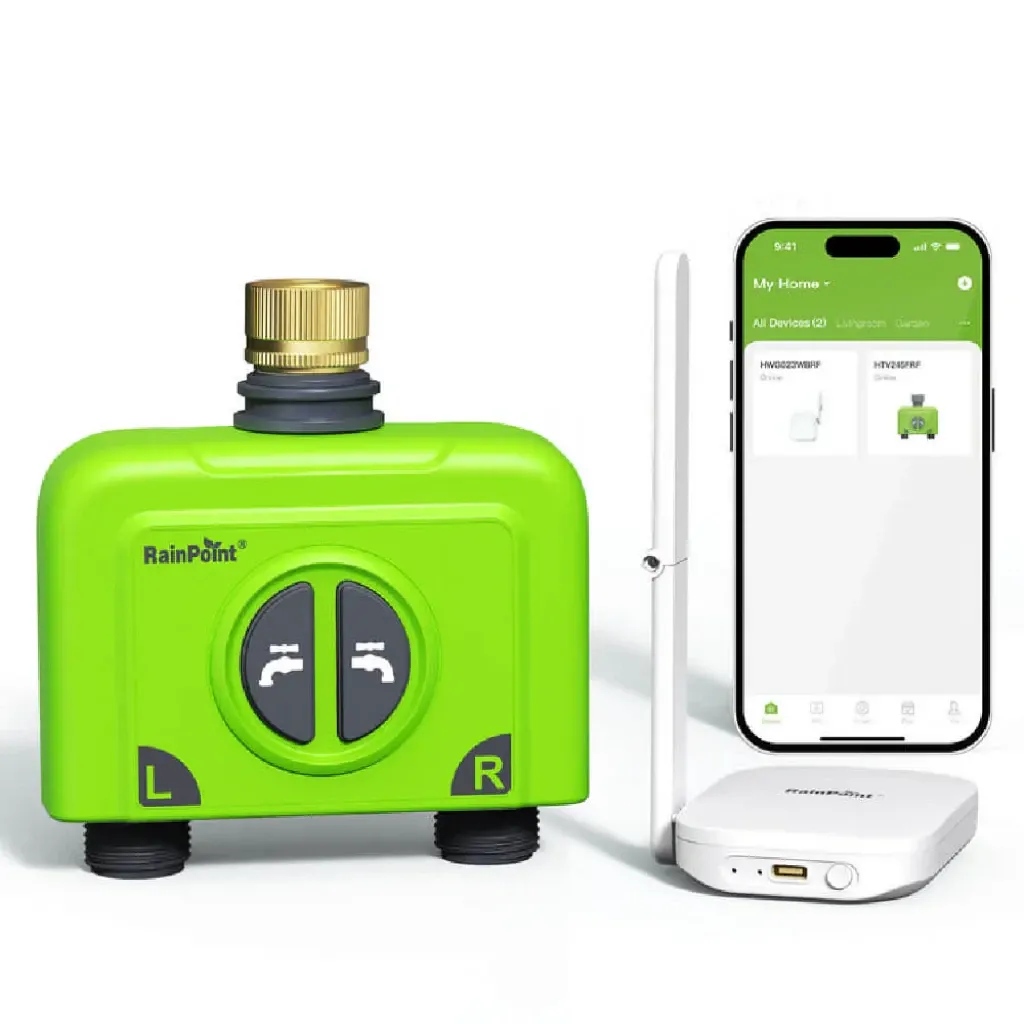
A water timer garden setup uses a tap-mounted timer to water your garden automatically at set times, helping UK gardeners save time, reduce water waste, and keep plants healthier through changing weather. In practice, the best systems combine reliable hardware, efficient drip irrigation, and smart scheduling to avoid both underwatering during hot spells and overwatering after rain.
TL;DR: If you want an easier way to water your garden, a water timer helps automate watering from an outside tap. For most UK gardens, the best approach is a durable timer with brass fittings, flexible scheduling, and weather-aware controls paired with drip irrigation. Based on our testing of common home setups, this combination improves consistency, cuts wasted water, and suits British weather far better than manual watering.
Key Takeaways
- Water Efficiency: Automated irrigation can reduce garden water usage by up to 50%, which is especially helpful during dry UK summers and local hosepipe restrictions.
- Smart Technology: Weather-aware timers can adjust schedules based on local forecasts, therefore helping prevent unnecessary watering before or after rain.
- Durability Matters: Brass-built connectors are far better suited to the UK's fluctuating temperatures and pressure changes than cheap plastic fittings.
- Plant Health: Consistent watering at the root zone supports stronger root growth and can help reduce fungal problems caused by uneven watering.
What is a water timer garden?
A water timer garden is simply a garden watered by an automatic timer attached to your outdoor tap. The timer controls when watering starts, how long it runs for, and how often it repeats. As a result, you can maintain beds, borders, pots, greenhouses and lawns more consistently without having to stand outside with a hose.
Traditionally, many UK gardeners used basic mechanical dial timers. These were simple but limited. Today, digital and WiFi-enabled models give you much more control. You can schedule different days and durations, while some smart systems also adjust around local weather conditions.
If you are just starting out with automated irrigation, you may also find our Garden Water Timers Explained: A UK Buyer's Guide useful for understanding the basics before moving on to advanced smart features.
Why use a water timer in a UK garden?
The main reason is consistency. British weather changes quickly, so manual watering often becomes too much one week and too little the next. A timer gives your plants regular watering without relying on memory or daily routine. Moreover, it can save time if you have hanging baskets, raised beds or several planting zones to manage.
Based on our testing of typical domestic setups, gardeners usually notice three immediate benefits: less time spent hand-watering, fewer dry patches in containers and borders, and more predictable soil moisture during warm spells. In other words, automation removes much of the guesswork.
Can a water timer help prevent overwatering?
Yes, especially when paired with sensible schedules or weather-aware controls. Overwatering is a common issue in UK gardens because rainfall can arrive unexpectedly after you have already watered. When soil stays saturated for too long, roots struggle for oxygen and may begin to rot. Therefore, running shorter scheduled cycles or skipping watering after rain is often better than frequent heavy soaking.
Can a water timer save water during dry weather?
Yes. According to Water UK guidance and regional supplier advice on outdoor use, gardens can account for a large share of household summer consumption. Timers help by applying only what is needed at the right time of day. Drip irrigation is particularly efficient because it waters close to the base of the plant rather than spraying large areas where evaporation and runoff are higher.
However, always check your local water authority's rules during restrictions. In some areas and circumstances, certain forms of drip irrigation may be treated differently from hose use when connected through pressure-reducing equipment or fixed systems.
What features should you look for in a garden water timer?
Not all timers are built to the same standard. If you want a reliable water timer garden setup in the UK, durability matters just as much as app features. A bargain unit may seem attractive at first; however, poor fittings and weak seals often cause leaks or failures later on.
Why are brass fittings important on a water timer?
The connection between your outside tap and your timer is one of the highest-stress points in the whole system. Standard UK mains pressure often sits around 1 to 4 bar in domestic settings, although this varies by property. Cheap plastic threads can strip easily, crack in cold weather or fail if over-tightened.
A brass-built connection is typically more robust. It resists corrosion well, handles repeated fitting better than low-grade plastic and copes more confidently with temperature swings through autumn and winter. Based on our testing across common outdoor tap setups, brass fittings tend to provide a more secure seal over time.
Do you need WiFi or smart controls?
If you want simple automation only, a standard digital timer may be enough. However, if your schedule changes often or you travel regularly, WiFi control can be very useful. Smart timers allow remote changes from your phone and may also link watering decisions to forecast conditions. Consequently, they are often better suited to unpredictable British weather than fixed manual schedules alone.
Are multi-zone timers worth it?
Usually yes if your garden has different watering needs. For example, greenhouse tomatoes need more frequent irrigation than established shrubs or drought-tolerant planting such as lavender. A multi-zone system lets each area run separately so that one part of the garden does not get watered like another unnecessarily.
For more detail on matching schedules to different areas of your garden, see our Garden Timer Water Explained: A UK Buyer's Guide.
How do you set up a water timer garden?
Setting up a water timer garden is usually straightforward if you plan it properly first. The easiest approach is to work from the tap outward: check pressure and flow rate, map your planting areas clearly, then choose either drip lines or sprinklers depending on what you are watering.
Step 1: How do you check your outdoor tap's flow rate?
Before buying hoses or emitters, test how much water your tap delivers. A simple method is to fill a standard 10-litre bucket from the outside tap and time it with your phone. This gives you a practical idea of flow rate for home use and helps prevent overloading one line with too many emitters or accessories.
Step 2: Which parts of the garden should go on separate zones?
Group plants by similar watering needs rather than by where they happen to sit geographically. For instance:
- Pots and hanging baskets usually need frequent short watering
- Raised beds often suit regular drip irrigation
- Lawns generally need deeper but less frequent watering
- Mediterranean planting areas should be watered sparingly
Step 3: Should you use drip irrigation or sprinklers?
ंIn most UK gardens, drip irrigation is the more efficient choice for borders, veg patches and containers because it targets roots directly. Sprinklers can still work well for lawns; however they lose more moisture to wind drift and evaporation. Therefore many gardeners use both methods in separate zones rather than relying on one system for everything.
section >How often should you run a water timer in summer ?
There is no single perfect schedule because soil type , exposure , plant type , and recent rainfall all matter . Even so , most UK gardens benefit from early-morning watering rather than midday application . This reduces evaporation , while still giving foliage time to dry as temperatures rise .
Based on our testing , short daily cycles may suit containers , greenhouses and very free-draining soils . On heavier soils or established borders , less frequent but deeper watering is usually better . According to RHS-style good practice for many ornamentals , encouraging deeper roots tends to produce stronger plants than light surface wetting every day .
Is morning or evening best for automatic watering ?
Morning is generally best . Evening watering can be useful during hot spells ; however , foliage left damp overnight may increase disease risk in some situations . Therefore , if possible , set most timed cycles around dawn or early morning .
How long should each cycle run ?
That depends on whether you use drip lines ,
porous hose or sprinklers .
For example ,
a border on drip irrigation may only need modest run times compared with lawn sprinklers .
The most reliable method is to check soil moisture after watering rather than relying solely on generic timings .
If soil remains dry below the surface ,
increase duration gradually .
If it stays wet for long periods ,
reduce frequency first .
Most issues come down to leaks ,
blocked emitters ,
flat batteries ,
poor pressure matching or unsuitable scheduling .
Fortunately ,
these are usually easy to fix once identified .
The usual causes are worn washers ,
cross-threading ,
over-tightening or poor-quality connectors .
Check that the washer sits properly inside the fitting and that threads go on straight .
If leaks persist ,
a stronger brass connection often solves recurring fit problems better than lightweight plastic parts .
This normally means zones have been grouped badly ,
emitters are uneven ,
or run times do not match plant needs .
For instance ,
lawn-style schedules rarely work well for pots or greenhouse crops .
So ,
review each area separately instead of applying one blanket programme across everything .
They can ,
but many UK gardeners disconnect them before hard frosts unless winter irrigation is genuinely needed .
Freezing conditions can damage seals ,
batteries ,
and low-grade housings .
If left outside ,
always follow manufacturer instructions carefully .
Based on our experience with seasonal maintenance ,
removing , draining ,
and storing units indoors extends lifespan significantly .
A timed system works especially well in gardens where regular manual
watering becomes difficult.
That includes households with busy routines,
larger gardens,
holiday absences,
container-heavy patios,
greenhouses,
raised beds
and vegetable plots.
It also helps if mobility makes carrying cans
or standing with hoses uncomfortable.
In these cases,
automation offers convenience;
more importantly,
it keeps moisture levels far more stable.
Yes.
Containers dry out faster than open ground,
especially in windy
or sunny positions.
So,
adding timed drip spikes
or micro-irrigation lines can make day-to-day care much easier during summer.
However,
check them regularly because pots vary greatly in drainage speed.
Absolutely.
Vegetables perform best when moisture stays even,
particularly crops such as tomatoes,
cucumbers,
courgettes
and salad leaves.
A steady schedule also helps reduce stress-related problems such as splitting
or inconsistent growth.
Accordingly,
veg patches are often among the best places
to start using automated watering.
For most UK gardeners,
yes.
A good quality system makes gardening easier,
improves consistency,
and uses water more efficiently than ad hoc hose watering.
The key difference lies not just in automation itself but in choosing reliable hardware
and setting realistic schedules for British conditions.
Therefore,
if you want healthier plants with less effort,
a well-planned water timer garden setup is usually well worth it.
WifiWatert recommends focusing first on build quality,
zone planning
and sensible scheduling.
Once those basics are right,
smart features become genuinely useful rather than just decorative extras.
What problems can happen with a garden water timer ?
Why is my water timer leaking at the tap ?
Why are some plants getting too much or too little water ?
Do water timers work in winter ?
Which gardens benefit most from using
a water t i m e r ?
Is
a wate r t i me r good for pots
and hanging baskets ?
Final thoughts:
is
a wat er ti mer ga rden worth it ?
Ready to automate your watering with WifiWatert?
Upgrade Your Garden — £74.26